



Our Board
Holly Swartz
Holly Swartz
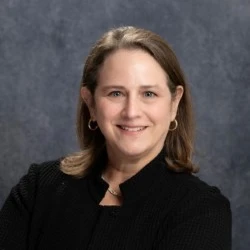
Dr. Holly A. Swartz is professor of psychiatry at the University of Pittsburgh School of Medicine. She received her undergraduate degree from Harvard University and her medical degree from Albert Einstein College of Medicine. She completed her psychiatric residency training at New York Hospital / Cornell University School of Medicine. She is currently the Secretary/Treasurer of the International Society for Bipolar Disorders (ISBD), Immediate Past-President of the International Society for Interpersonal Psychotherapy (IsIPT), Scientific Program Chair for the annual meeting of the American Society for Clinical Psychopharmacology (ASCP), and Editor of the American Journal of Psychotherapy.
Dr. Swartz’s research focuses on understanding and optimizing psychosocial and pharmacologic interventions for mood disorders. She is well known for her work in evaluating Interpersonal Psychotherapy (IPT) and Interpersonal and Social Rhythm Therapy (IPSRT) as treatments for depression and bioplar disorder. Her research focuses on the role of IPSRT and pharmacotherapy in the management of bipolar II depression and IPT in the management of maternal depression, both in the perinatal period and in the context of high-risk families with psychiatrically ill offspring. Currently, she is developing and testing an online version of IPSRT for treating bipolar disorder in primary care. She is also working on a project to develop a novel computational framework to model dyadic interpersonal behaviors in relation to psychotherapy (IPT and CBT) process and outcomes.
Dr. Swartz has received grant support from the National Institute of Mental Health (NIMH), the Depression and Bipolar Alternative Treatment Foundation, the National Science Foundation (NSF), and the National Alliance for Research on Schizophrenia and Depression (NARSAD). She is the author or co-author of over 100 peer reviewed or invited publications and is the recipient of numerous awards including a New Clinical Drug Evaluation Unit (NCDEU) New Investigator Award from NIMH and the Gerald L. Klerman Young Investigator Award from the Depression and Bipolar Support Alliance. Her publication on brief psychotherapy for maternal depression was cited among the Top 10 NARSAD Advancements of Breakthroughs for 2016.
Jair Soares
Jair Soares
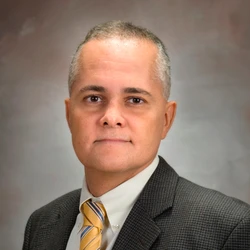
Dr. Jair C. Soares joined UTHealth Houston in 2009 as Professor and Chair of the department of Psychiatry and Behavioral Sciences, and the Pat Rutherford Chair is Psychiatry at the McGovern Medical School, as well as the Executive Director of UTHealth Harris County Psychiatric Center. Since 2022, he also serves as the Executive Director of the UTHealth John S. Dunn Behavioral Health Sciences Center, as well as the Vice-President for Behavioral Health Sciences at UTHealth Houston. A Board-certified psychiatrist, he oversees the Psychiatric Services at Memorial Herrmann Hospital and LBJ Hospital. The sites provide patient care and are clinical training and research facilities for the UTHeath medical students, psychiatry residents and psychiatry fellows.
Dr. Soares directs the UTHealth Center of Excellence on Mood Disorders which focuses on the search for causes and the development of new treatments for mood disorders. The Center is comprised of an active research team that specializes in clinical neurosciences (neuroimaging, neurophysiology, cognitive neurosciences, and genetics) and clinical psychopharmocology and interventions research.
Dr. Soares received his medical degree from the University of Sao Paulo (Brazil) and completed a general psychiatric residency at the Western Psychiatric Institute and Clinic at the University of Pittsburgh. Subsequently, Dr. Soares completed a brain imaging fellowship at the Yale University School of Medicine Department of Psychiatry. He obtained a PhD in medical sciences at the Federal University of Rio Grande do Sul (Brazil).
Prior to joining UTHealth, Dr. Soares served at the Distinguished Professor of Psychiatry and Director of the Center of Excellence for Research and Treatment of Bipolar Disorders at the University of North Carolina at Chapel Hill, and as Deputy Chair for Research and Division Chief for Mood and Anxiety Disorders with the Department of Psychiatry at the University of Texas Health Science Center at San Antonio.
Dr. Soares has published more than 350 peer-reviewed articles and book chapters in the psychiatric literature and has held editorial positions on a number of national and international medical journals. His research has been funded over the years by multiple grants from NIH, VA, private foundations and the pharmaceutical industry. Dr. Soares is a past President for the American Association of Chairs of Departments of Psychiatry, and the International Society on Affective Disorders. He currently serves as Vice-President for the National Network of Depression Centers (NNDC). Since April 2015, he has been the co-editor in chief for the Jounral of Affective Disorders Reports, which was launched in 2020. He serves in the executive council, finance committee and in the travel award committee for the International Society for Clinical Trials Methodology (ISCTM).
Manpreet Kaur Singh
Manpreet Kaur Singh
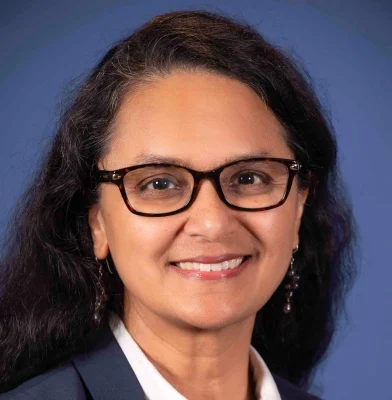
I have been engaged with ISBD for over a decade, beginning with the honor of receiving the Samuel Gershon Award for Junior Investigators in 2014, and have remained an active contributor to the Society’s mission to advance research, clinical care, and global collaboration in bipolar disorders.
As the Robert H. Putnam Endowed Chair in Bipolar Disorders Research and Treatment at the University of California, Davis, my career has been devoted to building bridges between discovery and clinical impact in child, adolescent, and adult-onset bipolar spectrum and related mood disorders. I currently serve as multi-PI on a national NIMH R25 award (CAPRI) to develop a mentorship network for early and emerging investigators, and as PI or site PI on multiple NIH- and industry-sponsored studies. These leadership roles have prepared me to navigate complex governance structures, balance diverse stakeholder interests, and ensure accountability in large-scale, multi-institutional initiatives.
My experience in governance and oversight is grounded in:
• Leadership of research teams and networks – successfully coordinating cross-disciplinary, multi-site collaborations that require transparent processes, consensus-building, and rigorous accountability.
• Regulatory and ethical oversight – service on Data and Safety Monitoring Boards where I have been entrusted with protecting participant welfare and ensuring research integrity.
• Editorial and scholarly leadership – as Editor-in-Chief of JAACAP Open and a frequent reviewer for the Society’s flagship journal Bipolar Disorders, I uphold standards of fairness, transparency, and scientific rigor.
• Professional society service – including leadership roles in the American Academy of Child and Adolescent Psychiatry, the Society of Biological Psychiatry, the American College of Neuropsychopharmacology, and the American Psychiatric Association, where I have advanced career development, equity, education, and mentorship initiatives.
The Vice President of Governance must ensure that ISBD’s operations remain ethical, transparent, and mission-driven. I see this role not only as an opportunity to safeguard organizational integrity, but also as a platform to strengthen ISBD’s global collaborations, expand mentorship pipelines for early-career investigators, and ensure that the Society remains responsive to the rapidly evolving landscape of bipolar disorder research and care.

Ayal Schaffer
Ayal Schaffer
I have maintained a close affiliation with the ISBD for many years, serving in a variety of leadership roles. This includes a prior term on the Executive as VP Education, during which we successfully modernized the ISBD Education products and brand. I have also been involved with ISBD in other roles, including as Chair of the Task Force on Suicide, Board Councilor, member or co-chair of numerous steering, conference and awards committees, membership in other task forces, mentoring junior colleagues, and through presentations at ISBD conferences on my research focused primarily on suicide risk and prevention in bipolar disorder, clinical trials in BD, as well as the development and dissemination of BD treatment guidelines. At the ISBD meeting in Chicago, I had the privilege of delivering a keynote address and receiving the Mogens Schou Award for Education and Teaching.
Over the years I have been privileged to collaborate with many members of the society – both in leadership and the grassroots; either through task forces, conference committees, or working with national chapters on new projects. I believe the ISBD remains singular among comparable organizations in the degree to which it garners loyalty and engagement among its members, facilitating the advancement of new research endeavours, promoting education for a wide spectrum of learners, and collaborating with advocacy groups and people with lived experience. The ISBD is central to the professional identity of hundreds of people around the world.
The Research portfolio at the ISBD encompasses providing assistance and support to the numerous active and planned Task Forces, advancing the efforts of the Early and Mid- Career Committee, and acknowledging high achieving emerging researchers. In addition, I believe there are several initiatives that should be considered. These involve a Research Colloquium for trainees that is linked to the annual conference; providing a platform in which the society can engage in greater integration of global research and training efforts, and promoting greater visibility for our active researchers in between annual conferences.
The ISBD is engaged in many highly productive research endeavors, and my goal is to keep the momentum going. This remains an exciting moment in time to be a researcher in the BD field, and I look forward to helping the society play its part.
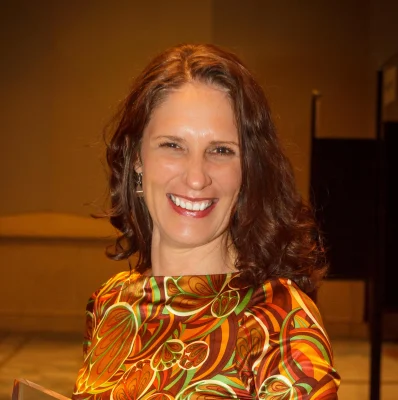
Erin Michalak
Erin Michalak
Dr. Michalak’s research has been well supported by the Canadian Institutes of Health Research (CIHR), the Michael Smith Foundation for Health Research, and other funders. She is the founder and leader of the ‘Collaborative RESearch Team for the study of psychosocial issues in Bipolar Disorder’ (CREST.BD), a CIHR-funded Canadian network dedicated to collaborative research and knowledge exchange in bipolar disorder. She has published over 100 scientific articles and several books and book chapters.

Benicio Frey
Benicio Frey
It is with great enthusiasm that I accept the position of Vice President of Education of the ISBD. I have been a member of ISBD since I was selected to receive the first Samuel Gershon Young Investigator Award at the ISBD conference in Edinburgh in 2006. Since then, I have been an active (and enthusiastic) member of this dynamic society. I have led, co-led and co-authored multiple articles from the ISBD Biomarker, Women’s Health and Chronobiology Task Forces. I have also delivered multiple pre-congress courses and chaired multiple symposia and a keynote speaker presentation. Education has always been an integral part of my career. I have mentored dozens of students at every level of educational stage, including undergraduate, undergraduate medical, MSc, PhD, postdoctoral fellows, clinical fellows and residents. I am constantly surrounded by clinical and research trainees in my daily work.
Some examples of key educational achievements: I am very proud of creating an educational program for residents in the Department of Family Medicine at McMaster, which includes women’s mental health as core rotation for family physicians graduating from this large program. I have also developed a new clinical fellowship curriculum in women’s mental health, which is accredited by the Royal College of Physicians and Surgeons of Canada. I also previously served as the associate director of the Neuroscience Graduate Program at McMaster. Through a successful fundraising, I secured funding for annual educational events for the general public to educate our community on women’s mental health issues. These annual public educational events, called “Opening Up”, involved co-presentation of expert health professional and people with lived experience (see: https://www.youtube.com/watch?v=CjVEzijyJp4; https://www.youtube.com/watch?v=HG7zIm2-aho; https://www.youtube.com/watch?v=Pijp7vzZZtE).
I am proud to bring my experience and leadership in education to the ISBD and contribute to the outstanding work of the Society in disseminating education in bipolar disorder to the general and the scientific community.
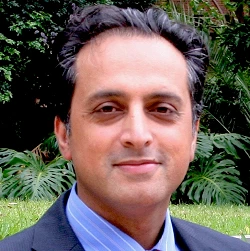
Gin Malhi
Gin Malhi
Gin S. Malhi is Professor and Head of the Department of Psychiatry in the Faculty of Medicine at The University of Sydney in Australia. He Heads the Academic Department of Psychiatry at Royal North Shore Hospital where he is Director of the CADE Clinic, a specialist mood disorders clinic, and works full time as a clinician in a large, busy, teaching hospital. In addition to his medical qualifications he holds a degree in pharmacology and is a Fellow of both the Australian and British Royal Colleges of Psychiatry.
Dr. Malhi has held leadership positions for national and international professional organisations including serving as President of the Australasian chapter of the International Society of Bipolar Disorders and is currently editor of the Australian and New Zealand Journal of Psychiatry and Bipolar Disorders, (the official journal of the ISBD). In the past he has also served as the Editor-in-chief of Acta Neuropsychiatrica. In addition to these leadership roles, he also sits on the editorial boards of a number of prestigious journals including, for example, the British Journal of Psychiatry, Acta Psychiatrica Scandinavica and the Journal of Affective Disorders.
In 2018, Dr. Malhi was listed in the Clarivate Analytics reports as one of the most highly cited researchers (publications with top 1% of citations) in psychiatry in the world – based on research publications. In his research, Dr Malhi has employed neuroimaging, neurocognitive testing and genetics, and his major areas of research interest include investigating the phenomenology and neurobiology of bipolar disorder and major depression, and the identification of treatments for these illnesses. Dr. Malhi’s work has been funded primarily by peer reviewed funding agencies such as the National Health and Medical Research Council of Australia, the Australian Rotary Health research fund, the American Foundation for Suicide Prevention, and the Australian Research Council.
Dr. Malhi has a Google Scholar h-index of 81 and he has published over 500 papers in peer reviewed international journals including high impact journals such as The Lancet, The Lancet Psychiatry, Molecular Psychiatry, American Journal of Psychiatry, Biological Psychiatry, and British Journal of Psychiatry. He has edited over a dozen books and written more than 20 book chapters, contributing most recently to the Oxford Textbook of Psychiatry on the prevention of mood disorders. In 2017, in conjunction with two co-editors, he published a comprehensive textbook on the use of lithium in mood disorders and is currently revising a successful pocketbook on bipolar disorders for clinicians. In addition to editing journal supplements and publishing books on bipolar disorder, in 2015 he chaired the development of the Royal Australian and New Zealand College of Psychiatrists (RANZCP) guidelines for the treatment of mood disorders.
Dr. Malhi is a sought-after speaker and has presented his research and clinical work at numerous international conferences. As a consequence, he has received a number of awards during his career including the RANZCP Senior Academic Researcher Prize, the RANZCP College Citation, the ISBD Mogen Schou Award for Education and Teaching, and The University of Sydney Distinguished Professorial Achievement Award. He has also been recognised locally for his contributions to the community with state-wide awards.
Dr. Malhi is a Board member of the RANZCP Foundation and also sits on the council of several consumer organisations e.g. the advisory committees of the International Bipolar Foundation and Bipolar Australia – so as to promote wellbeing of those with mental illness.

Andrea Vassilev
Andrea Vassilev
Andrea Vassilev is a doctor of psychology with nearly 30 years’ experience living with bipolar. As a clinician/academic with lived experience, Dr. Vassilev brings a special perspective to both her professional and advocacy work. As a PWLE (person with lived experience), an outspoken advocate, and a psychology post-doctoral therapist specializing in bipolar, Dr. Vassilev is uniquely positioned to represent her community, bridge the gap between PWLE and professionals, and bring fresh ideas to the table for the betterment of the Society.
In 2023, Dr. Vassilev joined the ISBD Psychological Interventions task force, was a contributing author on their position paper, and served on the ExE planning committee. She went on to co-chair the 2024 and 2025 ExE committees, working tirelessly to coordinate proposals, presenters, and international lived experience speakers. In 2023, Dr. Vassilev proposed a lived experience board position to engage this perspective in the Society in original and innovative ways. Her experience empowers her to understand the profound challenges faced by her community while her clinical knowledge equips her to translate those experiences into actionable insights for the Society.
Dr. Vassilev, an award-winning mental health advocate, has long been committed to outreach work. She has been in Slate Magazine, bpHope, the LA Times, the International Bipolar Foundation, Bipolar UK, and many other outlets. She is also deeply committed to the Depression and Bipolar Support Alliance, having served on the Advisory Board and as Education Chair for the DBSA California and co-founding a peer support group for mental health clinicians with mood disorders. Dr. Vassilev serves on the Executive Committee for the WISE Initiative for Stigma Elimination. Her primary passion is the fight to eradicate stigma regarding mental health conditions and heal self-stigma in individuals living with these conditions.
Dr. Vassilev created an original program to address self-stigma specifically in bipolar called Overcoming Self-Stigma in Bipolar Disorder (www.ossibd.com). The program, the first of its kind, is being deployed in clinics across the world and translated into multiple foreign languages. The first mixed methods RCT shows significant and enduring improvement across a range of outcomes including self-stigma and self-esteem.
Dr. Vassilev is a therapist (registered psychological associate) in private practice in California, specializing in the psychological treatment of bipolar disorder. You can learn more about Dr. Vassilev at www.andreavassilev.com and keep up with her on her bipolar educational Instagram account @best.life.bipolar.

Andrew Nierenberg
Andrew Nierenberg
ISBD, as the pre-eminent organization focusing on bipolar disorder, brings together clinicians, researchers, experts by experience, and pharmaceutical companies with the goal of advancing treatment and research. You all know that with a conservative estimate of 2% of the population of 340 million, that means that about 6.8 million people have the disorder. And yet, funding for bipolar disorder has consistently lagged behind other disorders for more than 25 years; clinicians rarely, if ever, follow guidelines, and outcomes have not improved over the past 20 years; the use of lithium has decreased from 30% to less than 15% for people with bipolar disorder and patients continue to have premature death, mostly because of cardiovascular disease and suicide.
As North American Regional Director on the ISBD Board of Directors, I would like to help ISBD consider strategies to address these challenges by asking: 1) How can we increase clinician membership? 2) How can we better communicate to the wider audiences of clinicians, including nurse practitioners and psychologists? 3) How can we innovate to collaborate and get better outcomes? 4) How can we collaborate with NIMH and other funding agencies to raise the profile of bipolar disorder across the lifespan? and 5) How can we partner with DBSA and psychiatry residencies to advance mutual goals? Together, we can collaborate on these issues to improve the health of our patients.

Annemiek Dols
Annemiek Dols
Dr. Dols is a psychiatrist and senior researcher at the VU Medical Center in Amsterdam. She oversees an evidence-based out-patient clinic for older patients with bipolar disorder, which provides specialized care for complext patients from all over the Netherlands. She has established and is following a cohort of over 200 patients with bipolar disorder to examine medical comorbidities, cognition, and social functioning across the lifespan. Building on her training in immunology, she has set up a biobank to examine neurobiological markers of illness. She has published widely on these topics, authoring or co-authoring over 100 publications.
She is well known to the ISBD community, serving as co-chair of the ISBD Task Force for Older Age Bipolar Disorder and serving as a member of the ISBD Taskforce on Cognition. With co-investigators Martha Sajatovic, Lisa Eyler and Soham Rej, Dr. Dols is a 2018 recipient of the inaugural ISBD Bowden Massey Award which is funding the project entitled “Global Aging and Geriatic Experiments in Bipolar Disorder Database.”

Beny Lafer
Beny Lafer
r. Lafer has dedicated his career to investigating pathophysiology and new treatments for bipolar disorder and improving care for those that suffer from this condition. He coordinates center of excellence in clinical care and research in bipolar disorder in Sao Paulo, Brazil. H has made many important contributions to advancing the vision and mission of the ISBD and some of his accomplishments are outlined below.
Dr. Lafer’s leadership was fundamental to creating the Brazilian Chapter of ISBD in 2004, the second international chapter. He was elected its first President and since then, has been a key player in maintaining its full mission with delivering lectures and seminars in almost all the activities of this national society. Under his influence, the ISBD created an award for young researchers in bipolar disorder, the Valentim Gentil Award, which has been a significant stimulus for the research in BD and for ISBD itself, attracting young scientists and psychiatrists to a prolific environment. At the end of his 2-year term, the chapter had 118 members, created a national research network in bipolar disorders and its own website to serve researchers, clinicians and advocate groups.
Dr. Lafer has been a member of the ISBD since its launch and supported the activities of the Society in diverse leadership roles. He had a key leadership role for the success of the ISDB meeting in São Paulo in 2010, with more than 1,100 registered delegates. Moreover, he was elected for the Board of Councillors on two separate occasions, participated in several Scientific Program Committees of the ISBD Conferences (São Paulo, Seoul, Toronto), ISBD Committees (Membership, Education Initiative, Chapter Development), and Taskforces (Diagnostic Guidelines, Mixed States, Antidepressant Use, Clinical Trials and Cognition). Finally, Dr. Lafer has been a member of Bipolar Disorders Journal Editorial Board since 2008.
Dr. Lafer established the first research program in Bipolar Disorders in Brazil in 1995 at the University of São Paulo Medical School. Under his influence, many other academic centers established research and clinical programs and the field of bipolar disorder research became one of the most productive in research in Psychiatry in Brazil. Thanks to this, the Brazilian scientific output and citations in BD is much higher compared with other major psychiatric disorders. Moreover, the teaching and dissemination of knowledge about Bipolar Disorder for Medical undergraduate students, residents, postdocs and clinicians have increased substantially. Finally, Dr. Lafer collaborated with families, caregivers and patients to start the first advocacy program in Brazil (ABRATA).
His talent and leadership in the field of education and training can be appreciated with his consistent mentoring of young and talented researchers, influencing a generation of psychiatrists and researchers not only in the development of skills for research, but also in the adoption of a highly cooperative and ethical behaviour. His skills and talent as a mentor surpassed national barriers and expanded to several international collaborations, especially by sending young researchers, PhD students and Post-Docs to programs at Harvard, Yale, Columbia University, University of Toronto and University of British Columbia. Due to a pioneer medical and PhD students exchange program established by the Brazilian and Canadian governments, Dr. Lafer was appointed in 2013 as a Visiting Adjunct Professor at University of Toronto, Canada.
His influence also could be noted in his participation in the development of evidence-based guidelines for the treatment of bipolar disorder, such as the Brazilian Guidelines for the Treatment of Bipolar Disorder and the Canadian Network for Mood and Anxiety Treatments (CANMAT-ISBD Guidelines).
For his dedication to ISBD, Dr. Beny Lafer was awarded with the 2018 ISBD Mogens Schou Award in Education. This was a way of ISBD to acknowledge his extraordinary dedication to education and his ability to inspire young researchers and society in the pursuit of better quality of life for those who suffer from bipolar disorder.

Koji Matsuo
Koji Matsuo
I am honored to have the opportunity to contribute to the activities of the ISBD as the Asian Regional Director for a second term.
I have achieved a notable milestone in the Asian regions of ISBD during the initial term of the Asian director, spanning from 2024 to 2025. I had the privilege of serving as co-president of the ISBD 2025 conference in Chiba, Japan, which I organized from start to finish. I facilitated the close collaboration between ISBD and the Japanese Society of Mood Disorders, ensuring a productive partnership for both organizations. I had the privilege of organizing the symposiums for Asia at the conference. We shared domestic practice guidelines for Asian countries and a region, which should be the first step to mutual understanding treatment for people with lived experience of bipolar disorder (PWLE) in Asia. I also organized another symposium, which provided Japanese PWLE with an opportunity to present their activities for PWLE in Japan. This event also facilitated connections with PWLE in other countries. In addition, I established connections with members of the executive committee of Asian ISBD chapters.
I will continue to facilitate research, education, and clinical work on bipolar disorder in Asia. This will allow me to expand the best possible knowledge and evidence relevant to bipolar disorder into Asian countries and regions. The goal is to improve expertise in the diagnosis and treatment of the disorders. I am also committed to communicating with PWLEs in Asia and other regions worldwide. It is my conviction that these activities will foster the growth of Asian ISBD chapters.
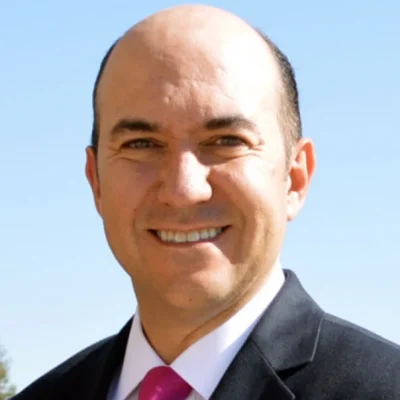
Manuel Sanchez de Carmona
Manuel Sanchez de Carmona

Rebekah Huber
Rebekah Huber
I am an Associate Professor of Psychiatry at Oregon Health and Science University, and I recently joined the Center for Mental Health Innovation to launch my research program focused on advancing evidence-based care and suicide prevention for youth with mood disorders. My interest in joining the Board stems from a desire to advocate for early and midcareer (EMC) voices and perspectives and to further ISBD’s vision of supporting the next generation of clinicians and researchers specializing in bipolar disorders. Serving on the ISBD Early and Mid-Career Committee (EMCC) has been a privilege; I am grateful for the opportunity to have been involved since its inception and was selected to co-lead during my second term.
During my initial term on the EMCC, I led the needs survey initiative aimed at identifying professional and career development needs for EMC clinicians and researchers in the field of bipolar disorders. Through this initiative, I chaired the EMCC Needs Survey Workgroup and led the development of a survey to assess the barriers to and facilitators of career development experienced by EMC individuals. The survey was disseminated internationally in five languages and completed by 300 individuals across 6 continents. We published two papers to summarize the activities of the EMCC (Huber et al., 2022) and the needs survey results (Sperry et al., 2023) and presented a symposium at the 2023 ISBD Conference (Huber et al., 2023). Findings from the needs survey have laid the foundation for our Manifesto (Douglas et al., 2024), outlining future initiatives and activities to support EMCs (Jiménez-Pavón et al., 2024; Fries et al., 2024).
I have also played a substantial role in the education and training initiative serving on the EMCC Conference Events Workgroup. We organized a mentoring workshop for the 2022 ISBD Conference featuring mentoring advice from Robert Post. The needs survey uncovered that EMCs faced challenges to the scientific writing and publishing, so we designed a workshop for the 2023 Conference that addressed components of publishing with insights from Professors Gin Malhi and Jair Soares. At the 2024 Conference, we hosted a grant writing workshop, which showcased experienced grant writers, reviewers, and representatives of funding agencies supporting bipolar disorder research. I am eager to continue expanding the education initiative by creating workshops, webinars, and resources to meet the training and education needs of EMC researchers and clinicians.
My vision for the EMCC aligns seamlessly with the strategic objectives of the ISBD Board, aiming to enhance the organization’s capacity to support EMC researchers and clinicians. As a member of the ISBD Board of Directors, I will champion initiatives to broaden the reach and impact of these efforts including advocating for increased global representation to engage and support a diverse range of EMCs. I will continue to elicit feedback as a Board member to ensure that we are meeting the needs of EMCs in the field. I am eager to continue collaborating with EMCC members and stakeholders to drive forward our shared mission.

Sara Schley
Sara Schley
I have lived with Bipolar II for over forty years. My first episode was at age 21 while I was a senior at Brown University who seemed to have it all. In what felt like a flip of a switch, it was as if an alien had abducted by brain. It was a tailspin into a living hell, and I was terrified. In the decades that followed, I suffered from a debilitating brain disorder. Like Persephone in the underworld, I was caught in the grip of a brutal force, a prisoner of the the darkness. I kept this mostly secret for forty years. I finally chose to tell my story – in a memoir, at ISBD, in a TEDx, and now a Documentary Film — to do three things: save lives, end the stigma, and maximize healing for all.
Despite the vicissitudes of living with undiagnosed BD – it took 25 years to get my diagnosis of BD II — I have somewhat miraculously had a successful career of over 30 years as an international business sustainability consultant. I switched my focus in 2021 to become a full-time mental health advocate. My personal and professional mission now is to end the stigma, save lives and optimize healing for people living with bipolar. In addition to loving my family and taking maximum care of myself, this is now my full-time commitment. Towards this end, I have published a memoir, BrainsStorm: From Broken to Blessed on the Bipolar Spectrum in 2022. Dr. Holly Swartz, who had not yet met me at the time, called this the “Kay Jamison for BDII.” How did she know that was my aspiration.
Along with my partner, Director Bonnie Waltch and a fabulous team of collaborators (Holly Swartz, Jim Phelps, Gregg Martin, Devika Bhushan to name a few), I am presently making an educational documentary called Brainstorm, that is inspired by my memoir of the same name. Through the privilege of conducting research for Brainstorm, we have interviewed over 30 scientists, many of the ISBD members, with a goal of transmitting cutting-edge bipolar science and breakthrough treatments to our audience. In addition to a full-lengh broadcast, Brainstorm will include several short films designed for specific target audiences by interest group (Parent, PCPs, etc.) as well as by content area (Circadian Rhythyms, Metabolic Psychiatry, etc.). I mention this because through the process, I have gained an overview of what is current in the field, what’s working, what’s not, and what’s on the horizon. Bottom line: there is hope!
ISBD was and is my first professional affiliation in the world of bipolar disorders. I first told my story publically at the ISBD conference in 2021 when Dr. Holly Swartz and Dr. Trisha Suppes invited me to join them as an “Expert by Experience” in one of their sessions. The ISBD term “Expert by Experience” was and is healing in itself as was the opportunity to be witnessed and so well received in sharing both the pain and the hope in my story.
In addition to ISBD, I presently work closely with CREST.BD (Dr. Erin Michalak) and BAN (Bipolar Action Network, Dr. Andy Nierenberg) and have positive working relationships with DBSA, IBPF, and Bipolar UK. I love to build partnerships and work in service of our common mission.

Tamsyn Van Rheenen
Tamsyn Van Rheenen
I am a researcher from Melbourne, Australia focussed on understanding cognition and emotion in bipolar disorder and related illnesses on the mood-psychosis spectrum. I have been a member of the ISBD for 7 years and am active on the Targeting Cognition Taskforce as well as the Nutrition and Exercise Taskforce (NExT) and Early and a past member of the ISBD Early- Mid-Career Committee (EMCC).
I am honored to serve in the position of Oceania Regional Director on the ISBD Board of Directors, and I am excited to be involved in advancing the ISBD’s mission to foster international collaboration in education, research, and clinical care to improve the lives of those with bipolar disorder and related conditions. I intend to advance this mission in the following ways;
1) I will work with the ISBD to develop initiatives to make networking and collaborative ventures easier and less costly for bipolar-focused researchers in Oceania, who are geographically distanced from research hubs in the northern hemisphere. This will translate to a more diverse ISBD membership and open further opportunities to progress the ISBD’s mission via collaborative multinational research that will lead to improved outcomes for those with bipolar disorder.
2) I will use my professional networks, positions, and social media presence to improve the visibility of the ISBD within research and clinical networks in Oceania. This will increase Oceania-based ISBD membership, in turn improving regional engagement with the many ISBD initiatives that seek to progress its mission.
3) I will work with the ISBD to increase the scientific exposure of researchers based in Oceania via the development and maximisation of opportunities that promote research endeavors, scientific events, and job openings in this region and at an international level.
4) I will leverage my transition from early to mid-career to i) promote interactions between senior and junior bipolar disorder researchers in Oceania and abroad, and ii) act as an ambassador to, and an advocate for, those early in their career, who are likely to be less aware of or engaged with the ISBD. This will build the capacity of a bipolar disorder-focused research workforce through the increased uptake of ISBD initiatives by junior researchers, and the availability of more opportunities for new and diverse perspectives to be put forward in efforts to solve difficult problems in the bipolar disorder field.
5) I will continue to use my expertise in schizophrenia-spectrum disorders and close links with researchers in the schizophrenia/psychosis field to embed bipolar disorder into psychosis research locally and internationally. This will progress the ISBD’s vision to improve outcomes for bipolar disorder by accelerating understanding of transdiagnostic processes and the development of treatments that will help a diverse array of individuals with mental illness.

Trisha Suppes
Trisha Suppes
Trisha Suppes, M.D., Ph.D. is Professor of Psychiatry and Behavioral Science at Stanford University School of Medicine, and Director of the Bipolar and Depression Research Program at the VA Palo Alto Health Care System in Palo Alto, California. Her areas of expertise and research include long-term treatment strategies for bipolar disorder and treatment of bipolar and major depression. She also has interest in the use of complementary medicine for the management of mood disorders. Among her research on mood disorders, Dr. Suppes’ work on lithium discontinuation in the early 1990s changed the way psychiatrists approach the treatment of bipolar disorder leading to the recommendation for patients with bipolar I disorder ongoing treatment is appropriate. More recent work on mixed hypomania contributed to the changes in DSM-5 on mixed states.
Dr. Suppes currently serves as the President for the International Society for Bipolar Disorders. She previously served two terms as the Secretary and Treasurere of the International Society for Bipolar Disorders. Dr. Suppes was a member of Mood Disorders workgroup and chair of the Bipolar Disorders subcommittee of the APA Diagnostic and Statistical Manual for Mental Disorders 5 (DSM-5). She also served as co-chair of the Department of Veterans’ Affairs/Department of Defense work group on treatment guidelines for bipolar disorder. Additionally, she is a member of the Scientific Advisory Board of the Depression and Bipolar Support Alliance and several editorial boards. She has authored or co-authored over 200 peer-reviewed articles. Dr. Suppes was named by Thomson Reuters in 2014, as one of “The World’s Most Influential Scientific Minds”. This distinction is given by publishing the largest number of articles that rank among those most frequently cited by researchers globally in 21 broad fields of science and social science during the previous decade.
Before moving to Stanford in June 2008, Dr. Suppes was the Director of the Bipolar Disorders Research Program at UT Southwestern Medical Center at Dallas. Dr. Suppes earned her BA in human biology at Stanford University in Stanford, California, her Ph.D. in anatomy/physiology at the University of California at Los Angeles, and her M.D. at Dartmouth Medical School in Hanover, New Hampshire. After graduating, she completed her residency in adult psychiatry at McLean Hospital at Harvard Medical School in Belmont, Massachusetts. Her postdoctoral fellowship in neurology was conducted at Stanford University School of Medicine, and her clinical fellowship in psychiatry was conducted at McLean Hospital at the Harvard Medical School in Boston, Massachusetts. She also completed a fellowship in neuroscience at Harvard Medical School.

Chad Daversa
Chad Daversa
I have had the privilege of working with the dedicated membership and staff of ISBD since 2002, only a few years following the organization’s incorporation. As such, I have grown professionally and personally with this Society and have been able to witness the intense loyalty and commitment of our members, many of whom have given the nearly a quarter of a century of time an expertise to the ISBD. My passion for the mission of the Society has grown over the years as a function of my involvement in all aspects of the organization, including the task forces, conferences, chapters, awards, and early-mid career programs.
In the early years, I supported the first ISBD task force on Diagnosis Guidelines and helped organize the ISBD’s involvement in the advocacy day and membership meetings held in conjunction with the International Conference on Bipolar Disorder (ICBD), prior to the establishment of ISBD’s first true standalone meeting in Edinburgh in 2006. At the time, I recall many in the Society wondering if the meeting, running in the alternate years to the ICBD meetings, would gain enough traction to be a success. Since then, I have worked on every ISBD Annual Conference and have seen them grow to become what might be considered the preeminent international meeting on bipolar disorder.
I very much see my role in the Society as facilitating the success of others in the Society, and I am proud to offer support to our board and membership in achieving so many of our goals over the past 20+ years. I can personally attest to the growth of many who have been recipients of the Samuel Gershon Junior Investigator Awards, many of whom now serve in leadership roles within the Society. This is personally meaningful to me as I had the distinct honor of being mentored in the role of Executive Director by Dr. Gershon, and seeing the legacy of these Awards bear fruit in bolstering the careers of so many talented bipolar disorder clinicians and researchers is an inspiration. Since that time, I have had the opportunity learn and grow from many in the Society’s leadership, and I look forward to seeing the organization through to the next stage in its evolution.

Mary Miller