


Lived Experience Council
Although not an advocacy organization, the ISBD is deeply committed to integrating and elevating lived experience voices. The Lived Experience Council (LEC) will provide a formal structure to embed these perspectives across ISBD activities. The LEC will contribute to areas such as educational content, collaboration with ISBD Task Forces, and planning the annual conference, with additional roles evolving based on members’ skills and ideas. Whenever possible, lived experience participation in ISBD programs will follow a co-production model.
2026-2028 LEC
Co-chairs:
Sara Schley and Dr. Andrea Vassilev
Please visit click here for bios
Members:
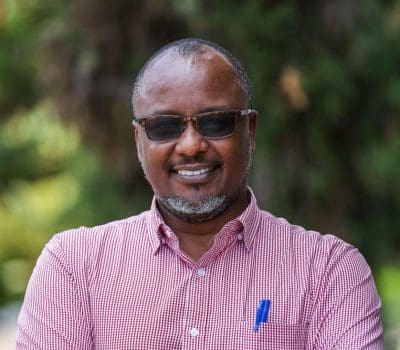
Location
Nakuru, Kenya
Short bio
I am pharmacist working as a public health specialist. I have a lived experience of bipolar disorder and founder of Bipolar Heroes Foundation, a not-for-profit organization. It brings together people with lived experience and caregivers to share experiences.
What inspires you to be an advocate?
I believe in creating a better environment through improved access to quality services to persons with lived experience.
What’s one goal you have for the LEC
My goal is to enhance the contributions of persons with lived experience in research. I look forward to deeper engagement of ISBD through the technical working group.
Social media: Facebook and LinkedIn: Patrick Boruett

Location
Northampton, England
Short bio
Advocate, writer and speaker supporting people with Bipolar Disorder through lived experience, open dialogue, peer support, emotional fitness and therapeutic coaching.
Social media: @yourbipolarcoach
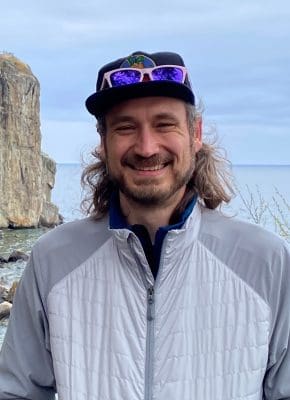
Location
St. Paul, Minnesota, USA
Short bio
Since my diagnosis in 2016 (and finding a bipolar therapist 18 months later), my advocacy journey started with sharing my story for NAMI, which eventually led to working with the organization full time. I helped add multiple education programs, revamped social media and organized our NAMIWalks, raising $100,000 for the organization. Recently, I moved to Saint Paul and decided to take a side step back into the service industry; which provides more time to volunteer, pursue my passion and spend time with my family. I am a brother to three incredible siblings, uncle to 5 wonderful nieces and nephews, basketball coach, slow running ambassador and mentor. I love being in nature, cooking and finding great food, and spending as much time as possible with my family. With my therapist’s encouragement, I’ve recently enjoyed finding opportunities to socialize and have met so many people who have added so much perspective, love and support to my life.
What inspires you to be an advocate?
My grandfather is my original inspiration to be an advocate. There were hundreds of people at his funeral that no one in our family knew. It turns out they were all people that he had an helped, spoken to, or somehow made an impact in their recovery journey. Though he was gone by the time of my diagnosis, it is his determination, empathy and memory that drives my advocacy. Additionally, I was 33 at diagnosis which led to a lot of trauma, financial distress and pain that didn’t need to go on so long. It is my hope that advocacy will help others seek help sooner, find support and able to improve their lives in a meaningful way.
What’s one goal you have for the LEC
Working with the LEC has already fulfilled one of the goals; being a voice in the room where important conversations about how to treat and research bipolar disorder are held. My dream would for LEC members and others available for consulting with practitioners around the world who have questions related to living with bipolar disorder or need advice on how to communicate, connect with, and provide hope for those their clients living with a mental illness as complex as bipolar disorder.
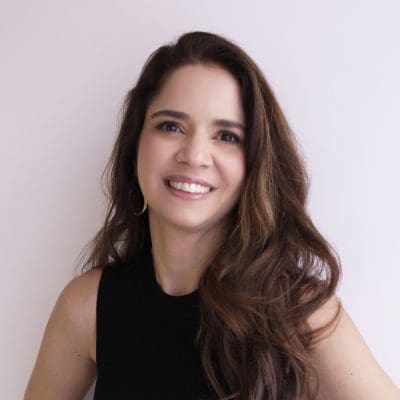
Location
São Paulo, Brazil
Short bio
I am a published writer, columnist, and public speaker with a background in advertising. I use my voice to advocate for bipolar disorder. In my book “Bipolar, sure. Crazy? Only when I feel like it.” (working English title; English edition coming soon), I share, in a light-hearted and humorous way, my experience living with bipolar type 1 and how I learned to manage it. My mission is to raise awareness, support people living with the condition and those who care for them and also help fight the stigma surrounding it.
What inspires you to be an advocate?
I decided to publicly share my diagnosis and life history living with bipolar disorder to help break the idea that bipolar equals insanity and make sure others don’t feel as alone as I once did.
What’s one goal you have for the LEC
I would like to serve as a bridge between ISBD initiatives and people living with bipolar disorder. I also hope to contribute to ISBD projects from the perspective of someone with lived experience of bipolar disorder.
Social media: Instagram @biagarbato

Location
Nagoya, Japan
Short bio
Minami Kinouchi is a clinical psychologist and social worker based in Japan, with lived experience of bipolar disorder. She is affiliated with Nagoya University and is a former PhD candidate in psychiatry. She also serves as Vice Director of Bipolar Psychoeducation & Peer Support Online (BPPSO), where she develops and delivers online psychoeducation programs for people with bipolar disorder and their families. Through her work, she aims to bridge lived experience, peer support, and mental health research.
What inspires you to be an advocate?
Her lived experience has shown her that medication alone is often not enough for managing bipolar disorder. She believes that while clinicians can provide guidance, it is ultimately individuals themselves who put strategies into practice in their daily lives. This is something only people with lived experience can truly understand and carry out. She is motivated by the idea that there are many things individuals can do—such as maintaining daily rhythms and managing stimulation—to support their own stability. Through group psychoeducation, she values creating spaces where people can reflect on their own patterns, understand what supports their well-being, and learn how to prevent future relapse.
What’s one goal you have for the LEC
To amplify the voices of people with bipolar disorder in Japan and Asia, and to contribute to developing accessible, evidence-based psychoeducation and support on a global scale. She also hopes to advance research that connects people with lived experience of bipolar disorder across countries and cultures.
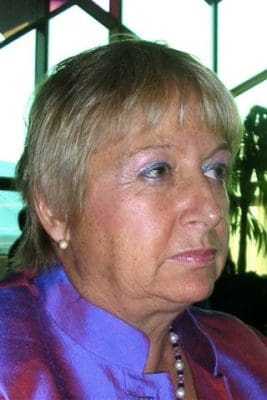
Location
New York, New York, USA
Short bio
I was born in Bolivia, grew up in Holland and studied in Geneva, Switzerland, and at Georgetown University in Washington, D.C., where I obtained my diploma as Conference Interpreter and Translator for Dutch, German, English, French, and Spanish. Since 1963 my main home has been New York City. I am still currently an internationally active free-lance conference interpreter.
Since my diagnosis with bipolar illness in 1976, I have been a patient advocate in the United States and Europe. I am a co-founder of the Mood Disorder Support Group of New York, Inc. and of DBSA (then the NDMDA) headquartered in Chicago. I served as a Board Member of both organizations.
Following the suicide of my Father in 1993, I also became active in suicide prevention and destigmatization of mental illness, serving as a Board Member of BBRF (Brain and Behavior Research Foundation) (previously NARSAD) and supported brain research. In 1994 I founded the Werner Alfred Selo Foundation in Zug, Switzerland, supporting research in the area of comorbidity of depression and headaches. With a group of fellow-patients I founded Equilibrium, the Self-Help Organization in Switzerland.
I am a member of the ISBD and the bipolar societies of Switzerland, Austria and Germany and numerous other mental health organizations, task forces, and self-help groups around the world. I advocate for patient’s rights, visit self-help groups, write for various German newsletters and lecture at continued education classes for general practitioners. I also answer e-mails of patients and family members who contact me directly.
I have been committed to the ISBD since its founding, and I promote ISBD wherever I can. In 2016, I was awarded the prestigious Mogens Schou Award for Advocacy from ISBD. I would be proud to become a formal Board Member of ISBD and contribute my international knowledge and experience as best I can.
What inspires you to be an advocate?
That patients get correct diagnosis and treatment and do not have to suffer the way I did.
What’s one goal you have for the LEC
To reduce the stigma of mental illness.
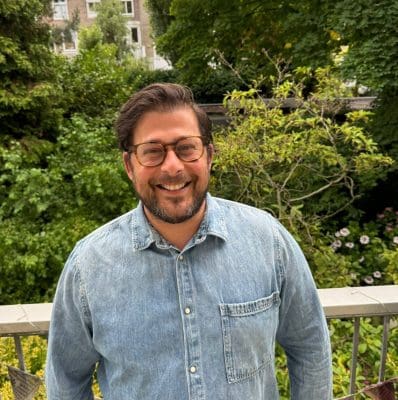
Location
Amsterdam, The Netherlands
Short bio
Hello from Amsterdam! I’m Idan. For the past decade, I have worked in online marketing as a business development and partnerships manager. I was diagnosed with bipolar disorder in 2009, and over time, my personal journey became an important part of my purpose. I facilitate an English-speaking bipolar support group in Amsterdam and contribute to workshops and psychoeducation. Today, I am a lived-experience advocate and the founder of In The Zone, which assists people with bipolar share early signals with their tribe so support can show up sooner..
What inspires you to be an advocate?
What inspires me most is the power of human connection. I know how isolating bipolar disorder can sometimes feel, and I also know how much difference one supportive person can make.Advocacy allows me to turn lived experience into something useful for others. I want to help people feel less ashamed, more understood, and more confident about asking for support.
What’s one goal you have for the LEC
I would like us to create more opportunities for people from different countries, cultures, and backgrounds to be heard and involved. By bringing lived experience into research, education and, advocacy.
Social media: LinkedIn: https://www.linkedin.com/in/idanspund/ Website: https://liveinthezone.eu/
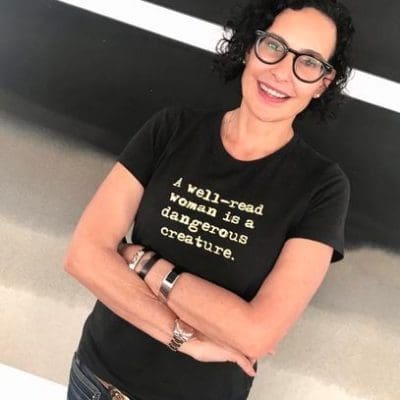
Location
Irvington, New York, USA
Short bio
I am a published author and public speaker originally from South Africa. I have authored numerous books and short stories, including: A MEMOIR OF LOVE AND MADNESS (Random House South Africa), and the novels BUBBLES (Penguin SA), TRIBE (Penguin SA) and THE SEASON OF GLASS (Penguin SA). My latest book, THE SEASON OF GLASS, was longlisted for South Africa’s SUNDAY TIMES Literary Prize. I am also an adjunct professor at Manhattanville College, where I presently am teaching the creative non-fiction master’s program. I have worked with both experienced writers and novices from all over the world, and many of my students have been published. I am a Fellow of The Royal Society of the Arts and a member of the International Bipolar Disorder Lived Experience Council. I live in New York with my husband, triplets and our ludicrous dog.
What inspires you to be an advocate?
I believe the greatest enemy of illness is ignorance; my quest for thirty years has been to openly write and talk about mental illness, hopefully reducing a little bit of stigma with each conversation.
What’s one goal you have for the LEC
I’m hoping to learn from other stories and possibly to share my own.